Raising Children in an Interfaith Household: A Practical Guide for Parents.
Somewhere between the decision to get married and bringing a new child home to its nursery most interfaith couples will face questions about how to raise kids together.
What happens when there is a child to raise and the parents have different belief systems?
No longer is it just the relationship between the two of them to navigate, but also parenting a whole new person, while respecting each other’s identities and remembering they’re a team.
Deciding what your child will believe, celebrate, or belong to isn't a one-time conversation. It's a decision that gets revisited at baptisms, bar and bat mitzvahs, first days of religious school, holidays, and every year your child gets old enough to ask harder questions.
Couples who've done the work of talking about faith before kids often find those old answers need updating once a real child, with a real personality and real questions, is standing in front of them. We’re here to offer some guidance and share how interfaith marriage counseling can help.
There’s No Single Right Way to Do This

If there’s a single piece of advice for all interfaith and mixed faith parents, it’s that there isn’t a single correct answer out there, so don’t beat yourselves up for being unsure and stop trying to find the “right” way to do this. The reality is that when families are raising children across two different faiths, or one faith and a secular partner, it’s often a combination of approaches that helps both parents feel respected, while knowing they’re giving their best for their child.
Each interfaith or mixed faith couple will handle this differently, based on what’s best for them and their family dynamic. Here are a few examples.
Choosing One Tradition: Some families decide to raise children in one parent's faith, while still honoring and including the other parent's background and extended family. This works best when the parent who isn't the "primary" tradition still feels genuinely included, not sidelined.
Blending Both Traditions: Other families introduce children to both religions, celebrating major holidays from each side and letting kids grow up with exposure to both. This can be rich and rewarding, though it requires ongoing coordination and a willingness to explain "why we do things differently than some other families."
A Secular Upbringing Combined with Cultural Exposure: Some couples choose to raise children without formal religious identity, while still exposing them to both sides' cultural traditions and letting them explore faith on their own later. This works well when both parents are genuinely aligned on it. It is never helpful for parents to subtly undermine the faith or belief system of the other.
Letting the Child Choose When They are Ready: A smaller number of families delay any formal religious education or identity formation and let the child choose as they get older. This can work, but many parents are hesitant to do it because it is akin to raising children without religion at all.
None of these is inherently better than the others. What matters most is that both parents actually agree on the approach, rather than one parent going along with it while quietly hoping it will shift over time. With an approach that feels right for everyone, interfaith couples can thrive in their relationship and in their parenting roles.
Common Challenges Interfaith Parents Face
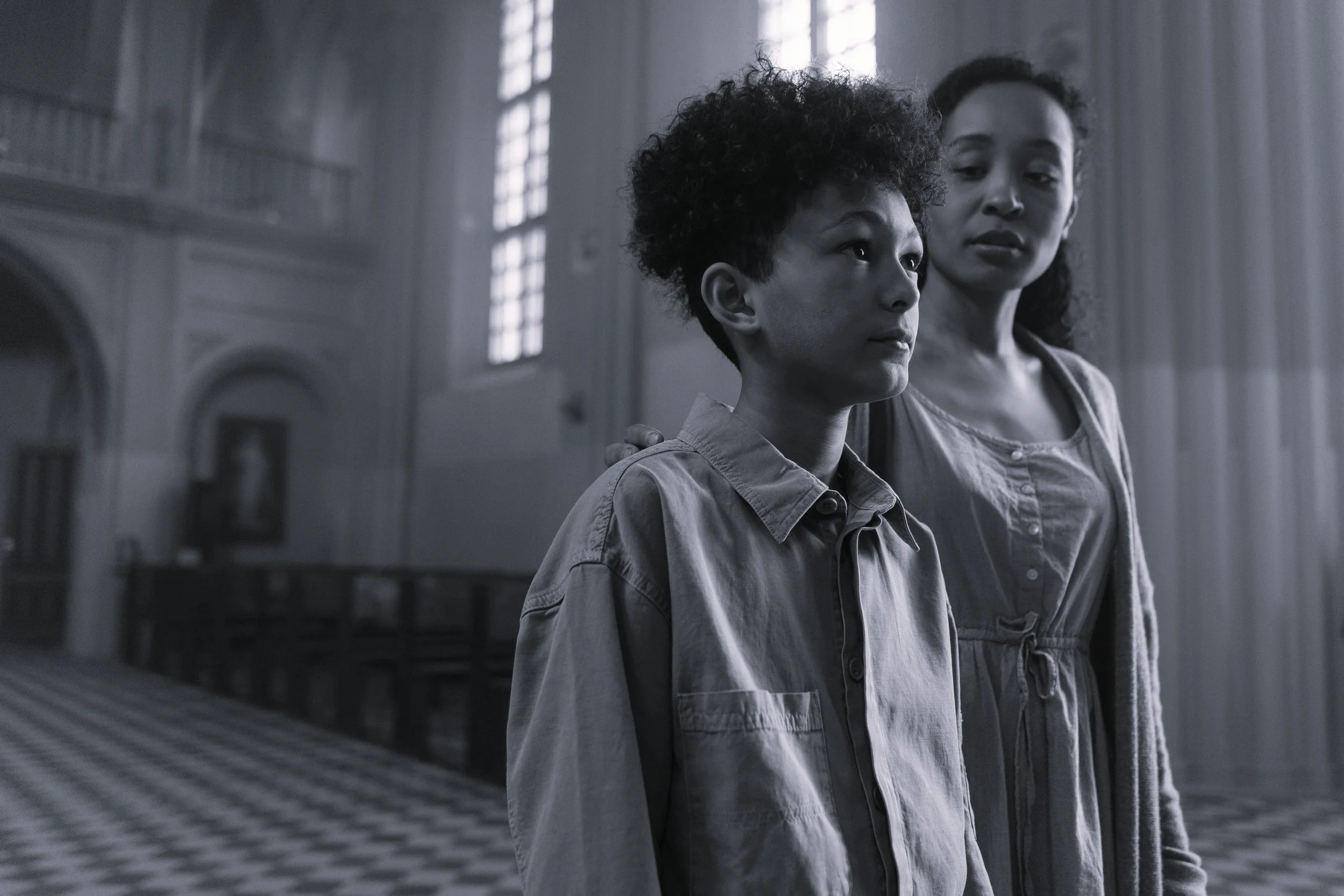
Pressure From Extended Family: Grandparents and extended family often have strong feelings about how children are raised religiously, and that pressure can land hard on both parents, especially the one whose tradition isn't the primary one in the household. Having a united front matters here more than almost anywhere else.
Explaining Faith Differences to Children: Children are often more perceptive, and more comfortable with nuance, than parents expect. Most kids can handle "Mommy's family celebrates this, and Daddy's family celebrates that" far better than parents anticipate, as long as it's explained with warmth rather than tension.
One Parent Feeling Excluded, or Secondary to the Other: Even in households that intend to be balanced, it's common for one parent's tradition to end up carrying more weight simply because of geography, extended family involvement, prominence of the different faiths in the local community, or which grandparents live closer. Naming this imbalance directly, rather than letting it build quietly, prevents resentment down the line.
Disagreements About Religious Education: Will children attend Sunday school or receive another form of formal religious education? This is a topic that can become an unexpected hot spot, even if you had agreed upon plans.
One parent may find that the religious or spiritual education their child is receiving is too unfamiliar or requires too much of a time commitment from them. Maybe it makes them more uncomfortable than they thought it would, or they have a change of heart and would like to compromise on the child’s religious instruction. These scenarios are easier to navigate when parents have a shared framework in place for how they will handle disagreements collaboratively and have the skills for cooperative and respectful decision making.
Building a Parenting Framework That Holds Up in the Real World
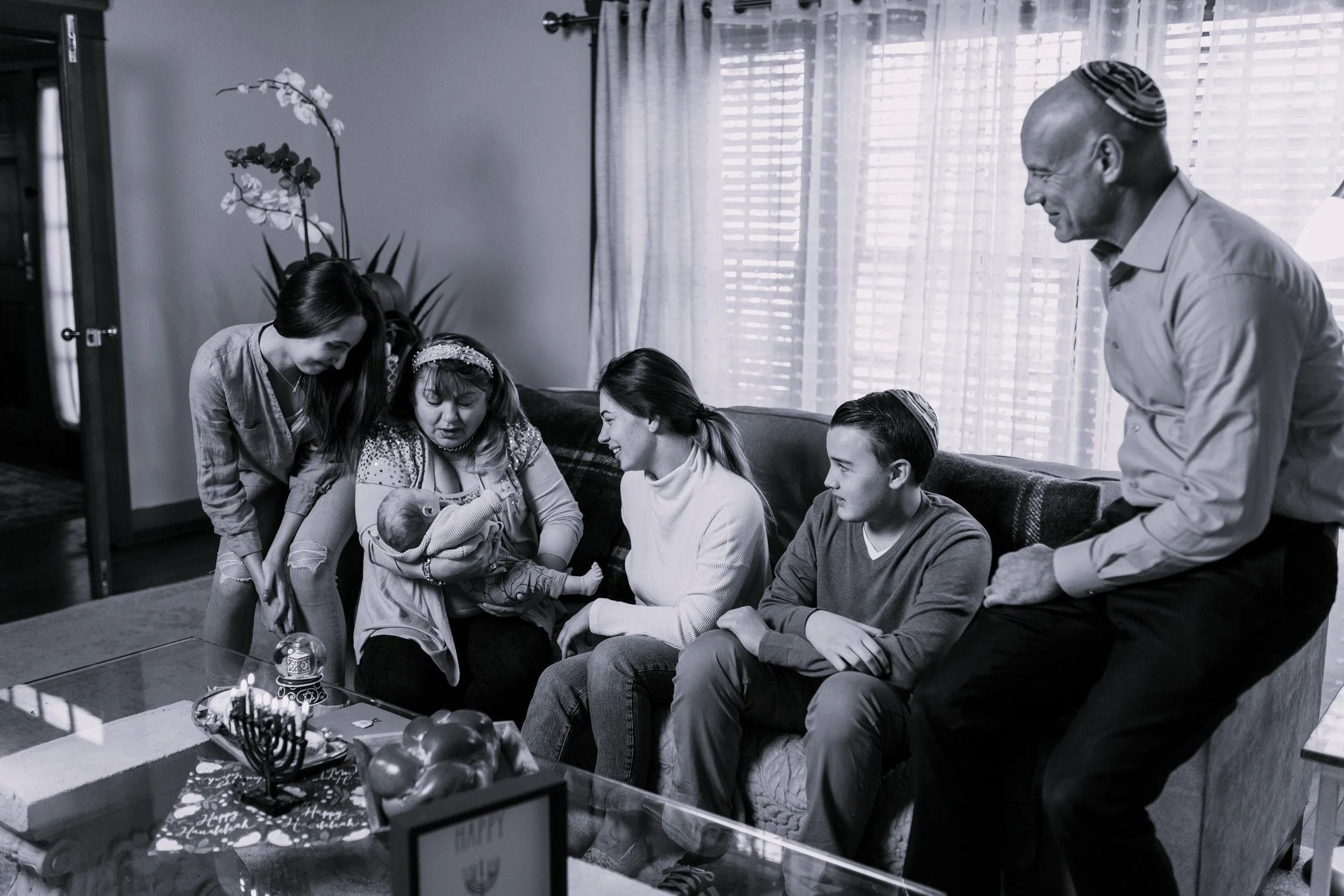
A plan made once, during pregnancy or right after a baby is born, rarely survives untouched for eighteen years. Kids change, family dynamics shift, and grandparents' health or involvement changes too. Families who navigate this well tend to build in regular, low-stakes check-ins rather than only revisiting the topic when a conflict forces the conversation.
Here are a few practices that help:
Revisit the plan once a year, outside of a holiday, important milestone, or family-related religious event, when emotions and expectations are overall lower
Let each parent name what they need to feel represented, not just what they’re willing to compromise on
Decide together how you’ll explain your family’s approach to the children, in an age-appropriate way before they ask
Agree on how to handle extended family pressure and religious guilt as a team, rather than letting one parent handle it alone
When to Bring in Outside Support: Interfaith Couples Counseling for Parents

Many interfaith couples don't seek support until there's already tension, often around a specific decision like school enrollment or expectations for a holiday. Getting ahead of that, before there's a specific conflict to solve, tends to make the actual decisions easier when they arrive.
A therapist experienced in interfaith family dynamics can help parents build a framework both people can commit to, work through the extended family pressure that almost always shows up, and create language for talking to kids that feels honest rather than avoidant. A good interfaith couples counselor won’t tell you what to do or referee which one of you is “right,” they will share ideas, teach you skills, help you slow down, listen to each other, and explore your options so that YOU can make the best decisions for your family.
Frequently Asked Questions About Raising Children in an Interfaith Household
Is it confusing for children to be raised with two religions?
Not inherently. Most children can handle these types of nuances well when it's explained with warmth and consistency, including young children. When there’s confusion, it tends to come from unresolved tension between the parents, and not the being raised with two different religious perspectives.
What if we can’t agree on how to raise our kids religiously?
This is one of the most common reasons interfaith couples seek counseling, and it's something that can be navigated with the right professional support. A therapist experienced in interfaith couples and parenting can help you build a shared framework rather than pushing either parent toward a decision that doesn't feel right.
Should we decide on a religious upbringing before we have kids, or before we’re even sure we want to be parents?
It helps to talk about it early, but treat any pre-baby plan as a starting point rather than a permanent decision. This is a great topic to discuss with an interfaith marriage counselor, even before marriage. Most families find their answer shifts once there's a real child with a real personality involved, so having the skills to navigate this conversation can ensure you approach it as a team.
Support for Every Stage for Your Interfaith Family in California
Raising children across two faiths, or one faith and a secular household, is one of the most personal decisions a couple will make together. You don't have to figure it out alone, and you don't have to get it perfect on the first try.
Author Bio

Rebecca Williams, LMFT, is a committed licensed Marriage and Family Therapist in Riverside, CA, with a Master’s degree from Loma Linda University. She helps individuals and couples heal emotional wounds, strengthen relationships, and build lasting, fulfilling connections.
Rebecca has advanced training in addiction treatment, family therapy with teens, and multiple evidence-based couples therapy approaches. She has also spoken on topics including faith transitions, the coming-out process, wellness, and leadership.