
Interfaith Marriage Counseling in California: Navigating Faith Differences in Your Relationship
When a couple falls in love, religious affiliation isn’t always the first thing on their compatibility checklist. Every year, more couples build their lives together across different faith traditions. These relationships can be some of the richest and most rewarding partnerships, but they also come with a unique set of challenges and pressures that same-faith couples rarely have to think about.
If you’re in a mixed-faith relationship and feeling the strain of typical couple challenges, like dealing with in-laws, deciding how to raise your children, or planning holidays when religious traditions don’t align, then you’re not alone. You’re also not doing anything wrong. Interfaith marriages and interfaith partnerships require a different kind of communication skill set, and that’s exactly where interfaith marriage counseling comes in.
This guide walks through what modern interfaith marriages look like today, the challenges interfaith couples commonly face, and how interfaith counseling in Califonia helps.
What Is an Interfaith Marriage?
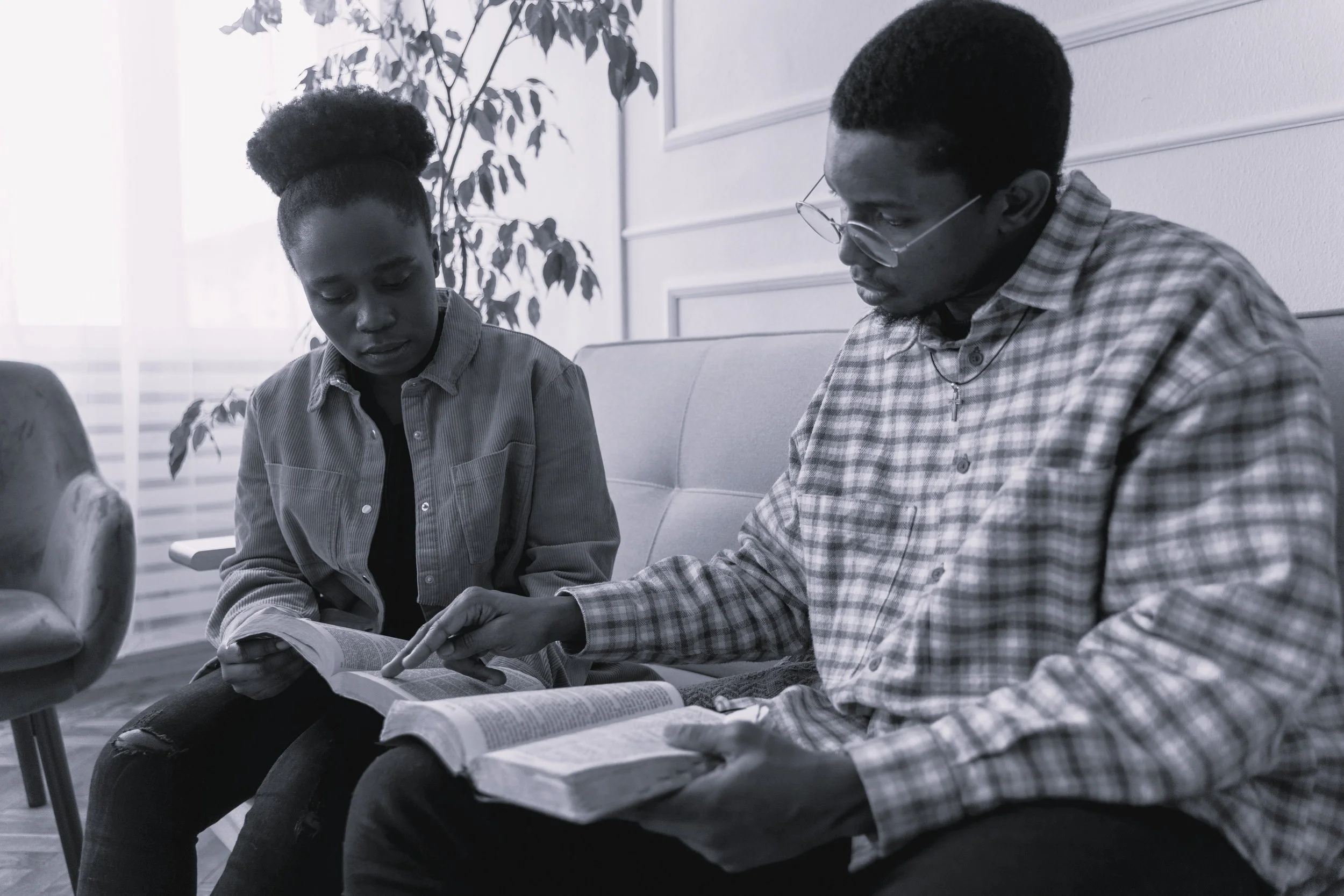
An interfaith marriage, sometimes called a mixed-faith or interreligious marriage, is a partnership between two people who hold different religious beliefs.
This includes religious practices, but it can also mean different levels of religious observance. An example could be a couple who are of two entirely different religions, such as Christian, Buddhist, Hindu, Muslim, Jewish, or Catholic. It can also mean there is one partner who is religious, and another who identifies as agnostic, atheist, pagan, or spiritual but not religious.
Interfaith relationships have become more common than in the past, with many couples marrying outside their childhood or family religious tradition. Even though these pairings are common, most couples receive very little, if any, guidance on how to actually merge two belief systems into one shared household.
Is an Interfaith Marriage the Same as a Mixed Faith Marriage?
Not exactly.
An interfaith marriage is when both partners practice and are deeply rooted in their own individual faiths. In a mixed-faith marriage, one partner practices within a religious tradition, while the other doesn’t. Both types of marriages face distinct challenges, but can work beautifully. Finding a secular marriage counselor is key for both parties to feel comfortable and safe in sharing and working together in a therapy setting.
Common Challenges Interfaith Couples Face
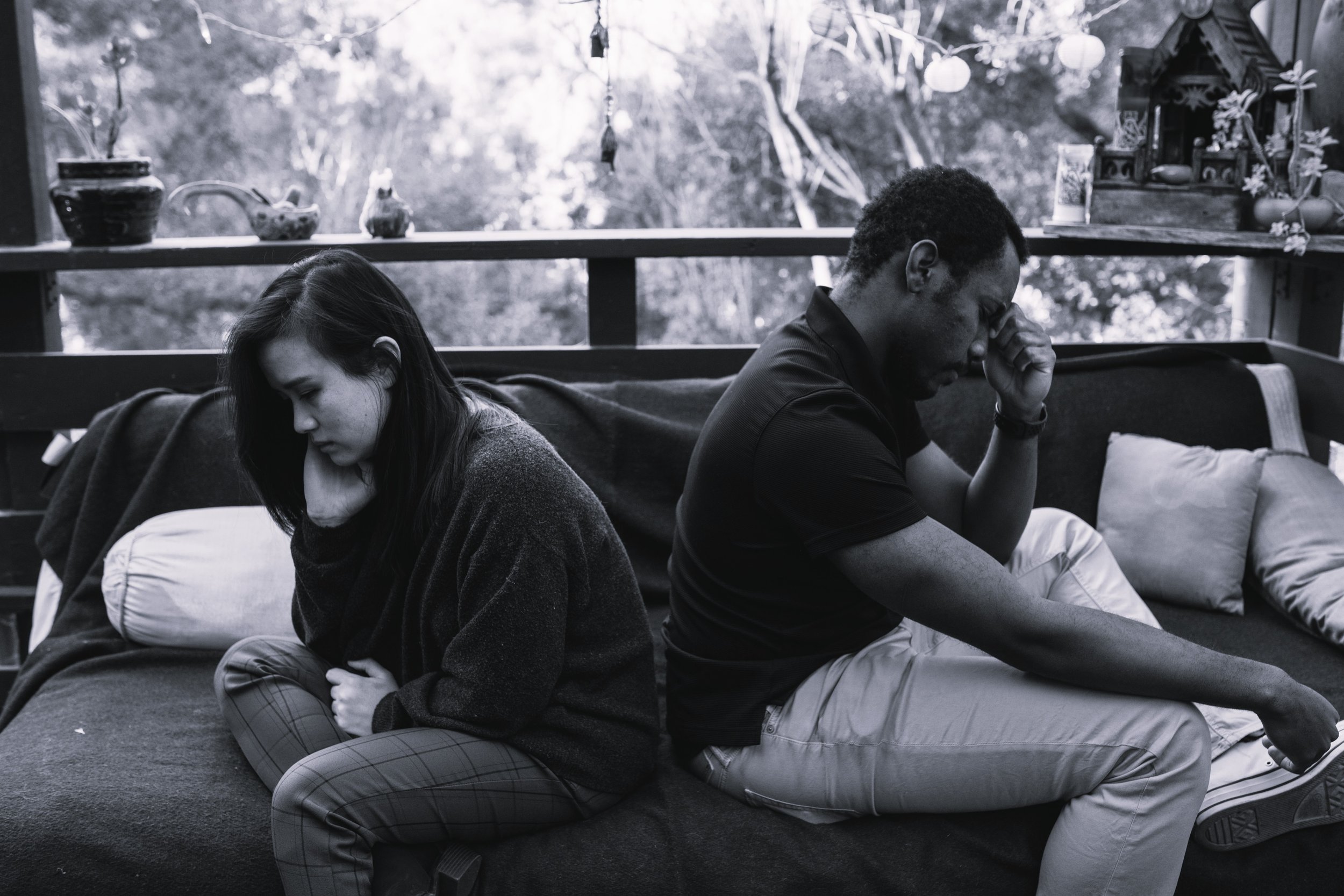
While every relationship has its share of friction points, many interfaith couples tend to run into a few recurring themes in their challenges.
Holidays and Rituals: The question of whose holidays are celebrated is a big one for interfaith marriages. Do you celebrate both? Neither? A blended version with your own new traditions? Will you attend each other’s services out of respect, or does that feel like an intrusion or even a compromise of your own identity?
Therapy can help to make holiday traditions and practices less of a friction point.
Raising Children: This is often one of the biggest stressors that interfaith couples face. Even when there are discussions about how children will be raised before they’re ever brought into the world, unexpected issues will come up, and feelings may change.
Questions like, will your kids be raised in one faith or both? Maybe you decide neither and to let them gravitate toward what feels natural to them. Will they be baptized, have a bris, and attend Sunday school? All of these decisions can resurface again and again as children grow and parenting or family dynamics change.
Family Pressures: Parents and grandparents may have strong opinions about interfaith relationships. This can place a great deal of pressure on the relationship and even create loyalty conflicts on both sides.
Identity and Belonging: Partners may worry about losing touch with their own cultural and religious identity. They may feel like they’re expected to convert in practice, even if not on paper.
Differing Views on Life’s Big Questions: Differing views on what happens after death, how to handle grief, and what counts as a good life are often rooted in religious beliefs. When a couple isn’t aligned on their answers to life’s big questions, it can lead to feeling unsteady and unsupported during hard times.
Keep in mind that these challenges don’t mean that a relationship is doomed. It does mean that the relationship needs to be nurtured with intentional, structured conversations. This is exactly what a relationship therapist can help facilitate.
How Interfaith Marriage Counseling in Riverside, CA Helps
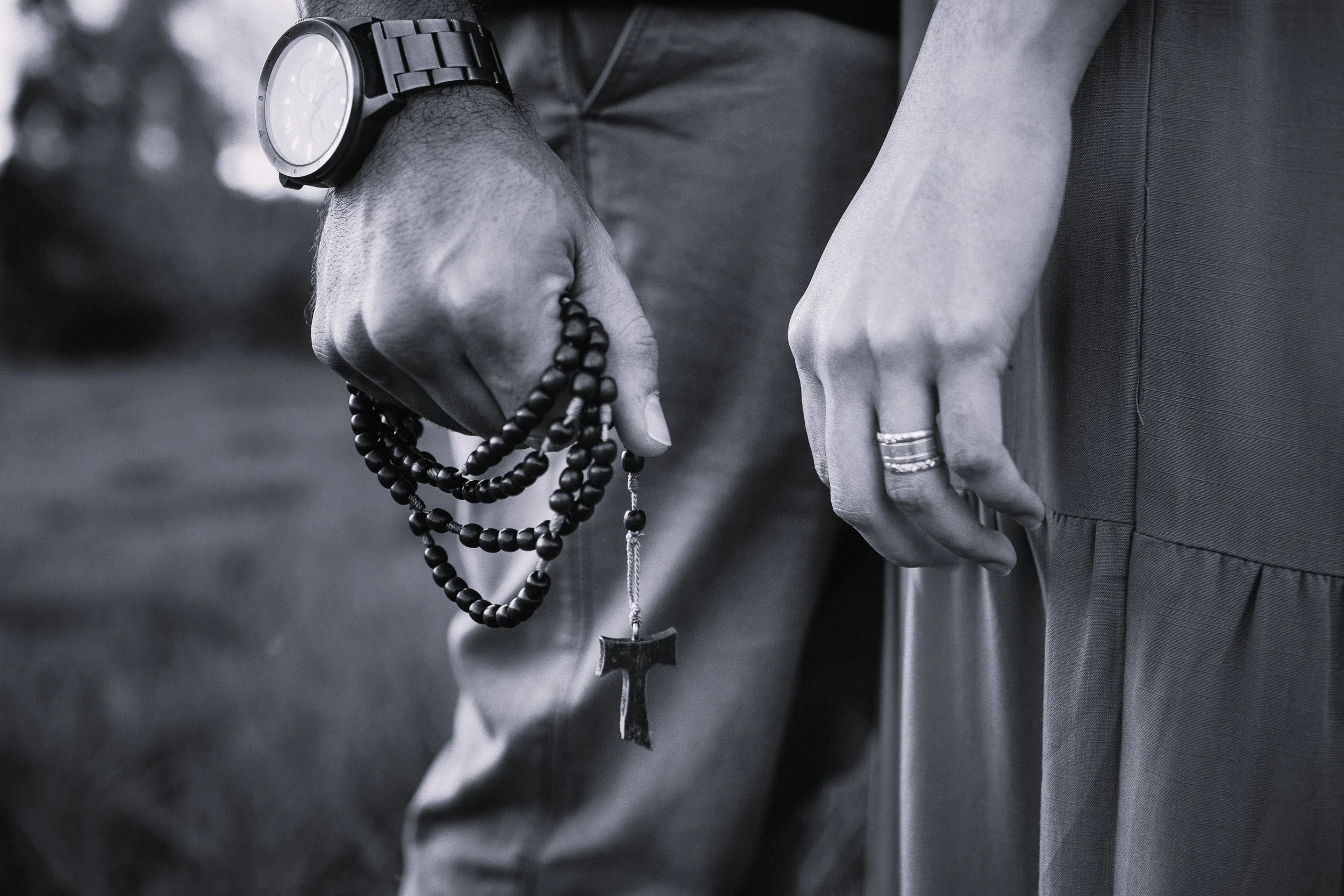
Interfaith marriage counseling gives couples a neutral, structured, safe space to walk through the differences that often get avoided or argued about at home. An experienced relationship therapist doesn’t take sides on theology. The goal isn’t to decide whose religion is right. Instead, the focus is to:
Build communication skills specifically around values, beliefs, and traditions
Create a shared decision-making framework for holidays, traditions, and children’s upbringing
Explore each partner’s relationship to their own faith (or lack of faith), separate from the relationship
Develop a long-term plan that both partners can live with, rather than short-term compromises that resurface at every holiday or important faith-related occurrence.
The conversations around faith touch on sensitive issues, like identity, upbringing, and sometimes grief around family expectations, and they can become emotional quite quickly.
A therapist trained in interfaith couples counseling knows how to keep the conversation productive instead of letting it spiral into the same unresolved argument on repeat. With the help of counseling, interfaith couples learn the tools to thrive in their relationship.
What To Expect From Interfaith Couples Counseling in California

Most couples come to their first session expecting to talk exclusively about religion, but this isn’t where building a strong foundation begins. An interfaith counseling process is actually much broader than discussing just faith. A therapist will typically begin by seeking answers to:
Each partner’s personal religious or spiritual history, including how central faith is to their sense of self
The current points of friction in the relationship, and not just the ones that are faith-related
Family dynamics for each person, and how much the influence of extended family contributes to friction
What are the shared goals for the relationship moving forward
After the first meeting, sessions begin to move into a more practical territory, helping to negotiate holiday logistics, agreeing on a parenting philosophy, and building a solid set of ground rules for respectful disagreement.
Many couples are surprised to find that once they have a repeatable process for navigating fair differences, the anxiety around these topics drops significantly, even when the underlying beliefs stay exactly the same.
The Case for Online Interfaith Couples Counseling
Life is busy.
Finding a therapist who genuinely understands the nuance of mixed-faith relationships isn’t always easy in every zip code. This is why online interfaith couples counseling has become so important.
Meeting virtually allows couples to:
Work with a therapist who specializes in interfaith dynamics, rather than settling for whoever is closest to their home location
Fit sessions around demanding work schedules, childcare, or travel
Attend from separate locations when needed, which is essential for couples who are navigating long distances, deployment, or conflicting schedules
Have honest, sometimes vulnerable conversations from the comfortable privacy of their own home.
For many couples across California, online interfaith couples counseling in California offers the exact same clinical quality as in-person sessions, with far more flexibility around when and where those sessions happen.
Whether you’re in the Inland Empire, Los Angeles, San Diego, or the Bay Area, you don’t have to compromise on finding a therapist who truly understands interfaith relationship dynamics.
Frequently Asked Questions About Interfaith Marriage Counseling in Riverside, CA
Does interfaith marriage counseling try to get us to agree on religion?
No. The goal isn’t theological agreement. It’s building communication skills and shared systems so that two different belief systems can coexist respectfully within one relationship.
Is interfaith couples counseling only for married couples?
Absolutely not. All couples, whether they’re engaged, long-term, or planning for the future, can pursue interfaith couples counseling to work through expectations and navigate friction points early on.
What if only one partner is religious?
This is actually a very common scenario. Interfaith marriage counseling is just as effective when one partner is devout and the other is secular, agnostic, or in a stage of exploring their beliefs. Individual therapy may also be helpful, especially if religious abuse is suspected.
Building a Relationship That Honors Both of You
An interfaith marriage doesn’t require either partner to abandon who they are. With the right support, mixed-faith couples can build a relationship, a home, and a life together that truly honors both belief systems.
If you and your partner are navigating faith differences and want support from a therapist who understands the nuances involved, interfaith marriage counseling at Inland Empire Couples Counseling is designed specifically for this. We offer both in-person sessions and online interfaith couples counseling in California for couples who want flexibility without sacrificing the quality of their therapy experience.
Whether you’re newly engaged and mapping out your future together or you’ve been married for years and are still working through unresolved friction, interfaith couples counseling can provide you with the tools to move forward as a united team. Reach out today to schedule a session with one of our experienced interfaith therapists and start building a relationship where both of you can honor your faiths and have room to grow in the process.
Author Bio

Rebecca Williams, LMFT, is a committed licensed Marriage and Family Therapist in Riverside, CA, with a Master’s degree from Loma Linda University. She helps individuals and couples heal emotional wounds, strengthen relationships, and build lasting, fulfilling connections.
Rebecca has advanced training in addiction treatment, family therapy with teens, and multiple evidence-based couples therapy approaches. She has also spoken on topics including faith transitions, the coming-out process, wellness, and leadership.
