
Why Try Marriage Counseling? (Even If Your Relationship Is Mostly Healthy)

“Why try marriage counseling?”
It’s one of the most commonly searched questions. Sometimes, it’s common from a place of desperation or confusion. Why should we try this? Will it even help us? We’re going to invest our time and money – will it even be worth it?
At Inland Empire Couple’s Counsling, we’ve worked with many couples over the years and provided the support they needed through the most challenging of times, but also the most ordinary of days. That's actually the point of this guide. Marriage counseling isn't only for relationships in crisis. It's for couples at every stage — the ones quietly drifting, the ones facing something brand new, and the ones who are doing fine but want to keep it that way.
Below, we’ve gathered the most common reasons couples reach out, along with a few of the deeper topics that tend to come up once you’re in the room. Think of this as the long answer to a question you’ve probably been turning over in your head for a while.
Because It’s Not So Bad Now But You Want To Keep It From Getting Worse
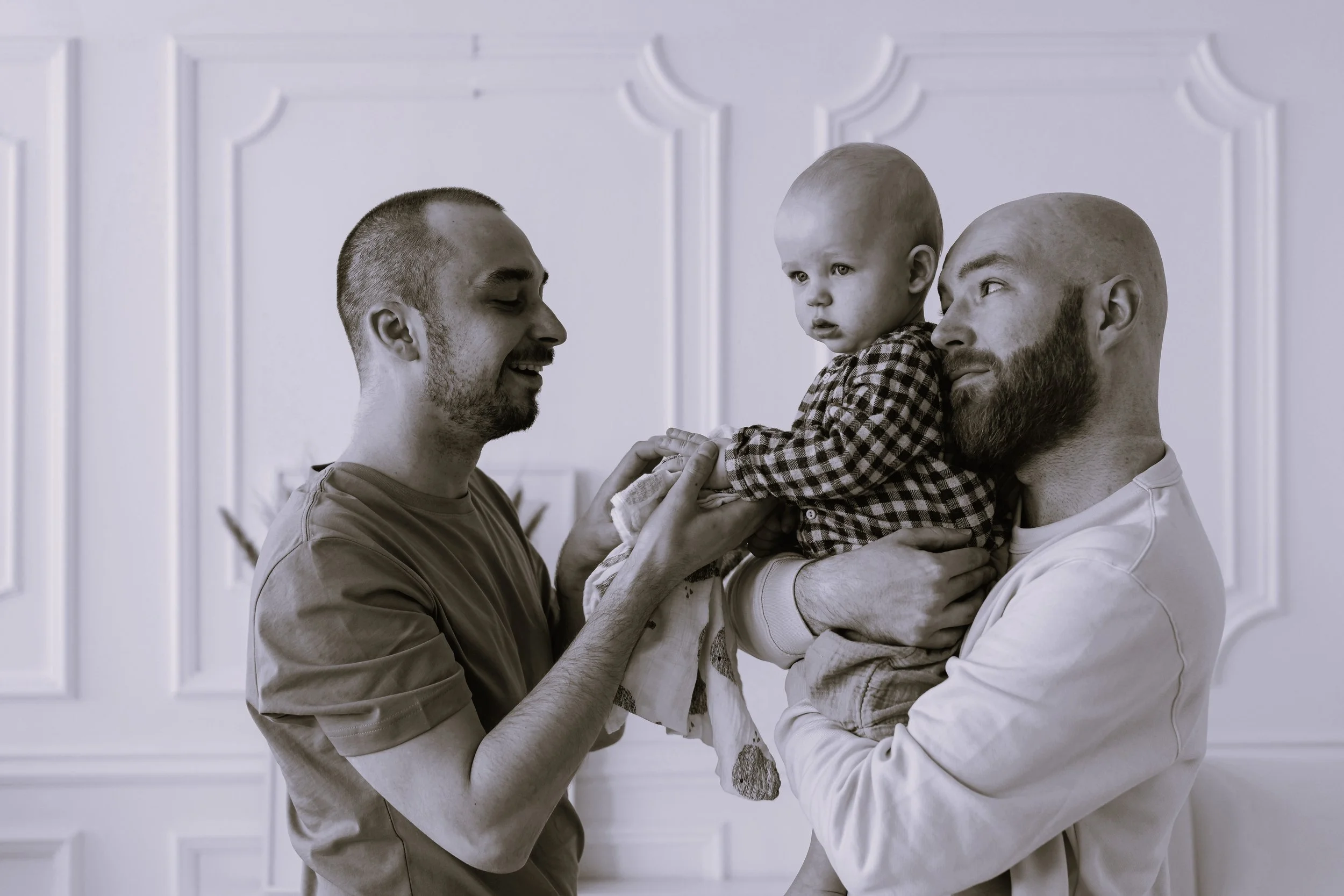
Maybe married life is going fine, and while there are no major glitches in your relationship, things aren’t as smooth and happy as they could be. You can see if things keep going the way they’re going, that someone will begin to pull away, boredom will set in, or resentment will begin to build.
From the perspective of a marriage counselor, this is the best time to come in! Don't wait. We may be able to get things back on track in just a few sessions instead of something that would take months to repair if you let it fester.
Because You Want To Be Able To Say You Tried Everything You Could
Maybe on some level, you sense that your relationship is over or on life support. You’ve given so much to it, and it’s meant so much to you, you just can’t let it go without saying you tried everything you could.
This is a totally valid reason to seek marriage counseling.
Even if your relationship ends, you can look back without regret, knowing you explored all your options. Or you may look back and feel so glad you tried marriage counseling, because it allowed you to stay together. Discernment counseling is also helpful at this time. Discernment counseling is designed exactly for this moment. It helps you get clarity on whether your relationship moves forward or whether it's time to part ways, without pressure in either direction.
Because You Miss Each Other
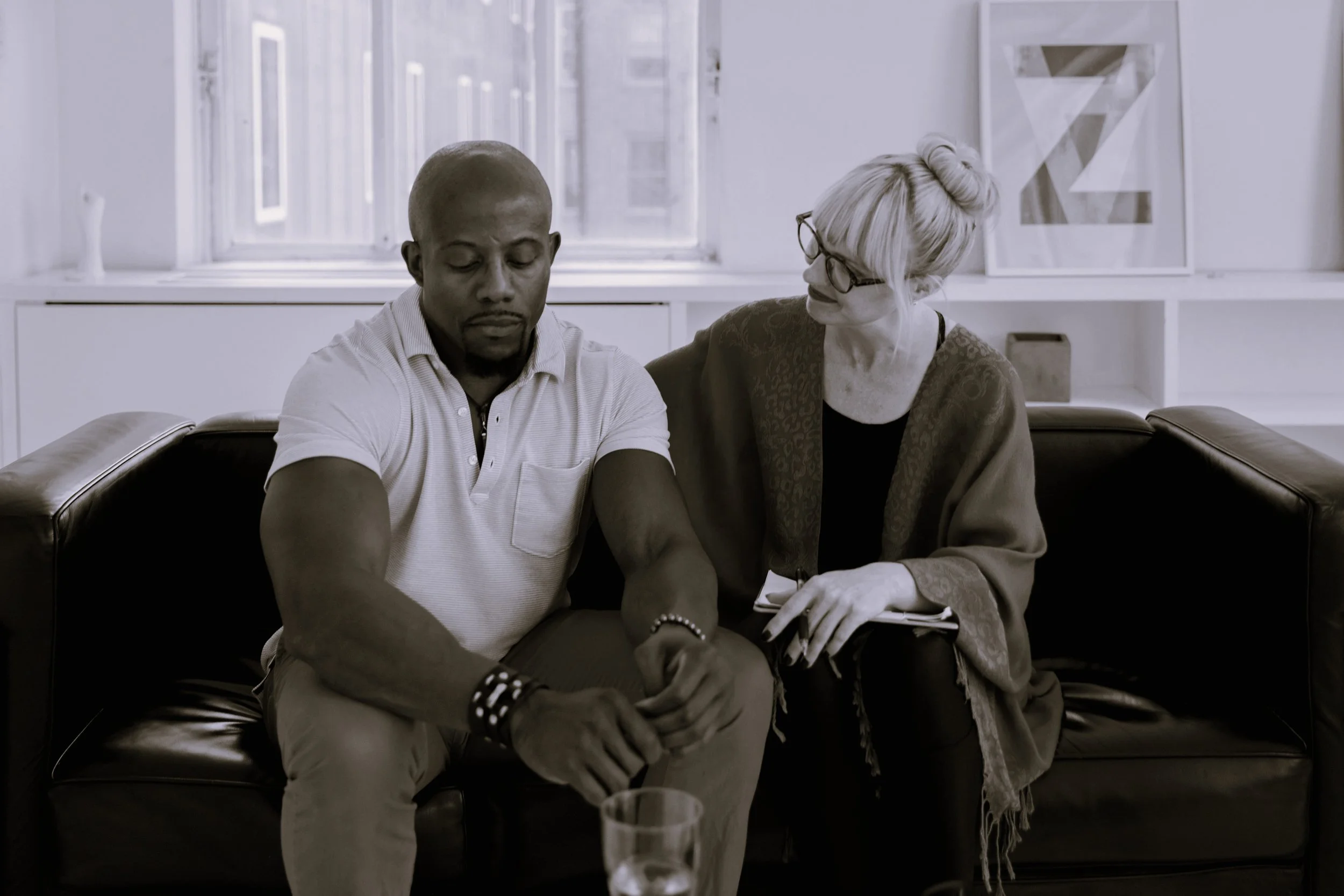
Maybe there aren’t huge fights or conflicts.
There doesn’t always have to be a major crisis for couples to drift apart. Work, school, kids, and just daily life happen, and sometimes the relationship takes the back burner – and you might forget it is there for a while.
Still, you miss each other, and you want some help figuring out how to get back to feeling emotionally connected, like you're best friends and lovers, rather than co-managers of a household.
This kind of quiet distance often traces back to a deeper pattern: a lack of emotional openness. We've written before about the role emotional vulnerability plays in building real intimacy — vulnerability isn't weakness, it's the doorway back to feeling close again.
Because You’re Facing Something New or Something That You Just Don’t Know How to Handle
Whether it’s addiction recovery, infidelity, changes to faith or religion, a death in the family, chronic illness, a sick child, or any number of other crisis challenges that couples face, you may not know how to go about handling what’s in front of you.
Marriage counseling can help you explore solutions and figure out how to face these challenges together, instead of letting them tear you apart. If your family, not just your partnership, is feeling the strain of a major life change, it may also be worth exploring family counseling, which widens the lens beyond the two of you to everyone affected.
Because You’re Stuck
Some couples feel like they are just spinning their wheels. They may be stuck in negativity, stuck in emotional distance, stuck in a sex desert, and not know how to get out. A marriage counselor (along with your hard work) can help get you unstuck.
Sometimes what looks like being "stuck" is actually old hurt that hasn't been resolved, including humor or teasing that crossed a line at some point. If that sounds familiar, our piece on when playful becomes painful digs into how pranks and inside jokes can quietly erode trust, and what to do once they have.
Because There Is So Much Good and In Many Ways, You Are Good for Each Other

You’re just not at a place yet where the costs outweigh the benefits. You still love your spouse. You hate that you are hurting each other or not meeting each other’s needs. That gap between how good things could be and how they currently feel is exactly the space counseling is built for.
This is often the hardest case to describe to friends or family, because there's no single incident to point to.
Nobody had an affair. Nobody is talking about divorce.
From the outside, things might even look fine. But you know your relationship well enough to sense when something feels slightly off — when there's more friction than there should be, or when you're both giving less than you're capable of.
That self-awareness is actually a strength, not a problem to apologize for. Couples who can name "we're good, but we could be better" before resentment builds are often the ones who make the fastest progress in counseling, simply because they're not working against years of accumulated hurt.
Because You Still Love Your Spouse and Have Hope That It Can Get Better
You want to find your way back to love. You have hope that the person you fell in love with is still there, that you can still make each other’s dreams come true, and live the life together you always wanted.
Hope is actually one of the strongest predictors of progress in counseling. It's easy to assume that hope means things aren't "bad enough" to need help, but the opposite is usually true. Hope means there's still something to work with. a memory of connection you can both point back to, a version of your relationship you're trying to get back to rather than building from nothing.
The couples who struggle most aren't the ones who show up hopeful; they're the ones who've already given up on each other before they ever walk through the door. If you still love your spouse and believe things can change, you're not behind. You're exactly where you need to be to do the work.
Because You Don’t Want to Get Divorced
This one really doesn’t need explanation.
Because One of You Had an Affair
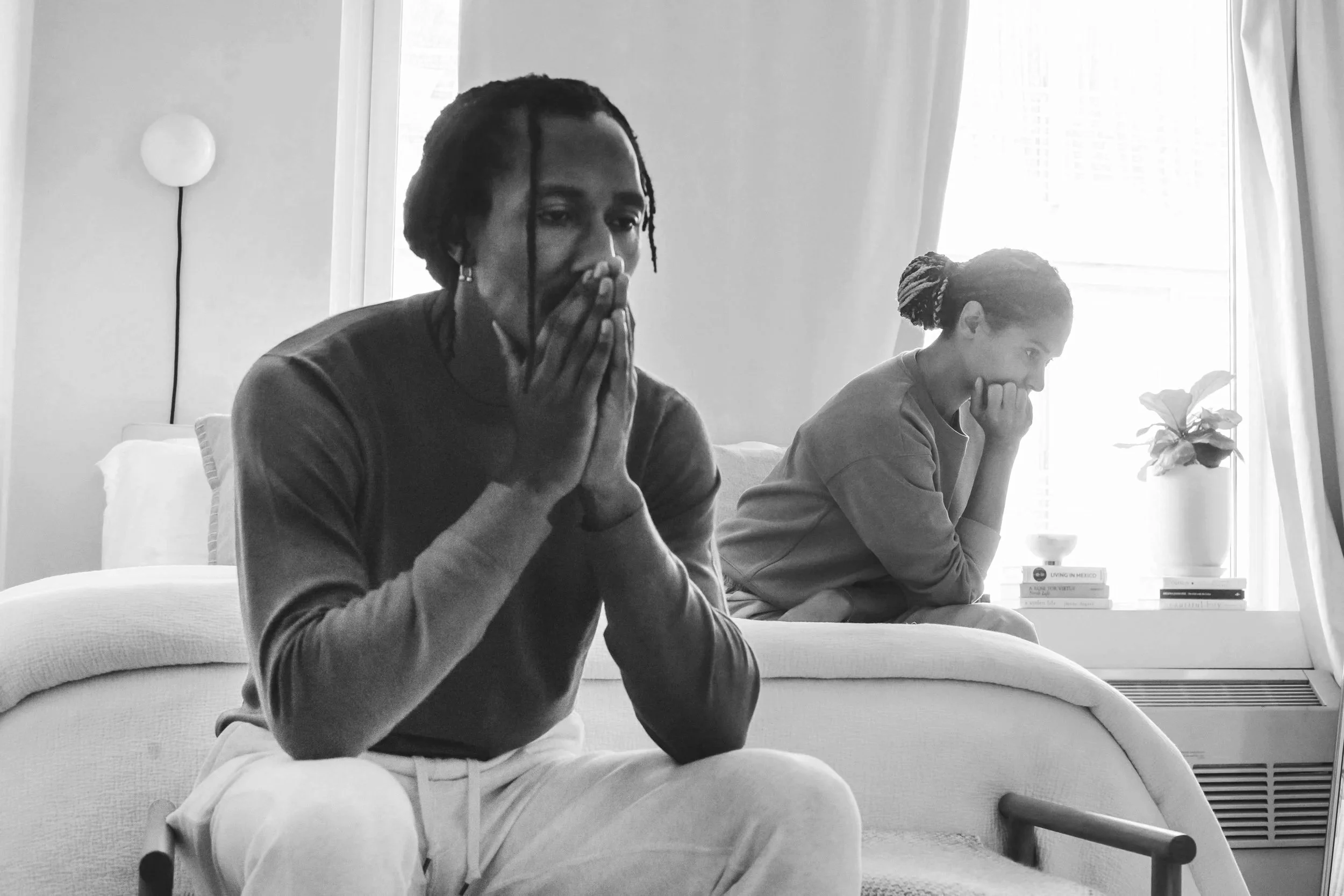
You might be thinking that there is no recovery from infidelity. But that’s actually not true. Lots of couples repair the damage infidelity causes and rebuild trusting, satisfying relationships.
We've explored this in depth in 8 Common Myths About Infidelity, and if you're in the thick of the aftermath right now, How to Cope with Guilt and Shame After an Affair is worth reading too. Healing is possible, even if it doesn't feel that way yet.
Because You Want To Know If Your Marriage Can Be Saved
You may be ambivalent. You don’t know for sure that you want to get divorced or that you want to stay together. We can’t tell you for certain whether your marriage can be saved; a lot of that depends on you and your partner. What we can do is give you a thorough analysis of your relationship, talk to you about its strong and weak points, and discuss what change would look like if you decide you want to work on it.
This is part of the relationship checkup I do with all couples. You can read more about it here.
Because You Can’t Believe How Terrible Your Spouse Has Been and You Want Someone Else To Set Them Straight

We included this one as a little bit of a joke.
But it is a real reason people try marriage counseling. Unfortunately, nothing is quite that simple. Relationship problems are complex, cyclical, and systemic. While it sounds nice, saying to one person, “You’re wrong. Stop it,” is not a realistic answer. If that worked, you probably wouldn’t be here, reading about why to try marriage counseling.
That said, expert help from a third party can help. We almost wrote ‘expert help from a neutral party.’ I decided to change that because I’m not neutral and disinterested. We’re on the side of your marriage. When you come for marriage counseling, I’m looking at what’s best for your relationship. I’m helping you find solutions that allow you both to be your best selves.
When Should You Try Marriage Counseling?
A fair follow-up question is timing. Based on everything above, a few signs tend to repeat across the couples we work with:
You're having the same argument on a loop, with no resolution in sight
One or both of you has started withdrawing — emotionally, physically, or both
A specific event (an affair, a diagnosis, a loss, a faith shift) has knocked your relationship off balance
You're more like roommates or co-parents than partners
You love each other, but can't find your way back to feeling like a team
If any of these sound familiar, that's generally enough reason to reach out. You don't need a crisis to justify the call.
What Actually Happens in Marriage Counseling?
Every couple comes in with a slightly different picture in their head of what therapy looks like, and it's rarely accurate. In general, expect:
An initial consultation. A short call to talk about what you're facing and see if it feels like a good fit.
A relationship assessment. Many of our therapists use a structured checkup process to understand your relationship's strengths and growth areas before diving into specific issues.
Collaborative goal-setting. You and your therapist agree on what you're working toward, whether that's better communication, rebuilding trust, or simply reconnecting.
Ongoing sessions. Weekly or biweekly sessions, or in some cases an intensive format, depending on what your situation calls for.
If your schedules make weekly sessions difficult, or if you simply want concentrated, focused time away from daily distractions, couples therapy retreats are designed to compress months of progress into a few focused days.
Why You Don’t Have to Be In Criss Sto Start
If there's one thing we hope you take from this guide, it's that marriage counseling isn't reserved for relationships on the brink. Some of the most successful work happens with couples who came in simply because they wanted to protect something good, get unstuck from a pattern, or reconnect after life pulled them in different directions.
If you think you’d like to try marriage counseling with me, email me or give me a call at 951-430-3011. I do a free phone consultation. We can discuss what you’re facing. You can meet me and decide if you think working together would be a good fit for you.
